Social Model of Disability
At RAID we adopt the principles of the Social Model of Disability and by working together with Disabled people and non-disabled people we aim to reduce barriers and to work towards a fully inclusive society.
What is the Social Model of Disability?
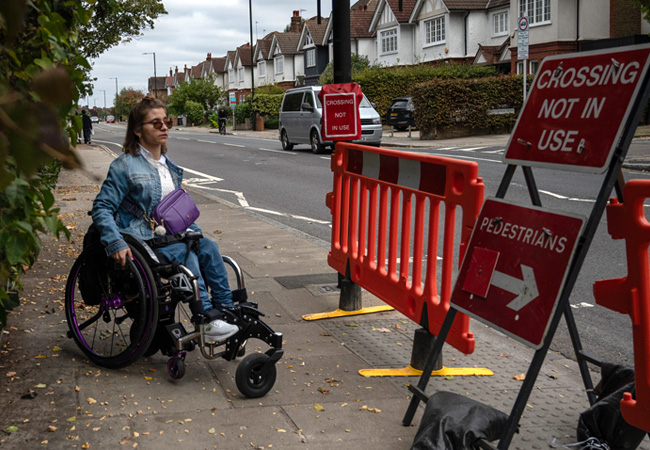
The Social Model of Disability says that a person is disabled by society around them, not just physical barriers such as steps or revolving doors, but also by attitudes towards Disabled people.
The Social Model of Disability says that disability is created by barriers in society. These barriers generally fall into four broad categories:
- The environment – including inaccessible transport and buildings and services, including health, housing, educational and working environments.
- People’s attitudes – stereotyping, discrimination and prejudice, for example, devaluing of Disabled people through stereotyping and negative imagery and representation in the media.
- Organisations – inflexible policies, practices and procedures.
- Financial – inadequate disability benefits, lack of opportunities and support with employment, education and training
What is the medical model of disability?
Many people think that disability is caused by an individual’s health condition or impairment. This approach is called the medical model of disability.
The medical model says that by fixing their body, Disabled people will be able to participate in society like everyone else. RAID believe this is an outdated model. It does not support Disabled people, and is generally rejected by Disabled people and disability organisations.
Why use the Social Model of Disability?
The social model helps identify solutions to the barriers that Disabled people experience. It encourages the removal of these barriers within society, or the reduction of their effects, rather than trying to fix an individual’s impairment or health condition.